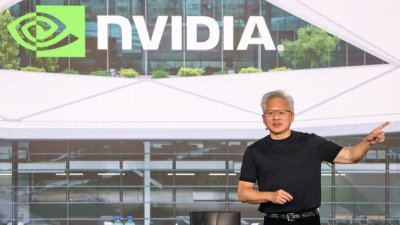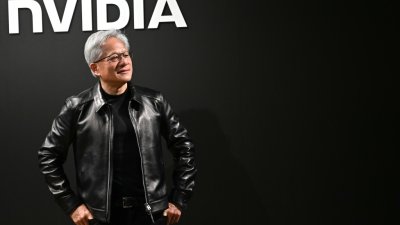


英伟达首席执行员兼联合创始人黄仁勋丑闻、针对黄乐未经证实的间谍指控,以及2026年美国中期选举后的政治格局变化交织在一起,正让美中关系面临更大的风险。
尽管美国司法部长布兰奇已表示,美国政府尚未作出结论,也没有找到确凿证据证实黄乐——新加坡Megaspeed公司的前高管——曾替北京充当间谍。此外,美国国家情报总监办公室的官员也形容这项间谍指控“过度渲染”。
尽管没有任何间谍活动的证据,这项被独立观察人士分析为源自美国国家安全体系及政治领导层内部根深蒂固反华势力的指控,却迅速从一场企业治理危机,演变成更广泛的地缘政治引爆点。
反英伟达企业利益者与反中国鹰派若在推动罢免黄仁勋的行动上形成交集,更为这场正在浮现、牵动人工智能产业、企业治理及美中地缘政治的多重转折,增添一个重要变数。
要看清这一发展轨迹,就必须审视好战的国家安全利益、种族化猜疑的历史风险,以及美国国会正在形成的新政治与经济动力之间的张力。
●“黄祸”与麦卡锡主义的阴影
未经证实的情报疑虑,与随之而来的强烈社会反响之间存在巨大落差,凸显美国及西方对华政策中一再出现的深层矛盾。
历史重演与公民自由风险:批评人士、公民权利倡导者及亚裔美国人组织长期警告,美中竞争升温可能让“黄祸”论述及麦卡锡时代的连坐思维死灰复燃。加州大学柏克莱分校“他者化与归属感研究所”等机构的研究,以及美国亚裔基金会的调查指出,地缘政治摩擦往往导致中国公民及亚裔美国人受到指责,甚至被视为中国政府的代理人,或套上近年出现的指控性词汇“资产”(asset),而非根据其爱国表现及经核实的实际行为作出判断。
当高知名度的丑闻——例如一名台湾出生的科技界偶像与一名中国女商人发生婚外情——在事实尚未厘清前便占据新闻头条时,不仅会放大19世纪以来带有种族主义色彩的“黄祸”隐喻及文化想像,把亚洲离散群体描绘成对西方文明构成生存、经济乃至性威胁的群体;也会对跨境商业、科学合作及国际关系产生寒蝉效应。
●2026年中期选举后的权力转移
2026年11月美国中期选举的结果进一步放大了这场政治风波。在这场选举中,民主党一举拿下众议院及参议院的控制权。
行政权力空间收窄:2025年至2026年间,特朗普总统对北京采取交易式策略——达成贸易协议、放宽部分先进H200人工智能晶片的出口管制,并邀请黄仁勋参与外交出访。如今民主党控制国会两院,特朗普在任期最后两年将面对更受制约的国内政治环境。白宫面对的将不再只是如何保护企业领袖或维持出口豁免的政策弹性,而是来自国会的强烈反弹。
两党对华共识:尽管民主党与共和党在国内政策上仍然严重分歧,但遏制北京,以及加强审查美国科技企业与中国的关系,仍是两党少数高度趋同的领域之一,而民主党在许多方面甚至比共和党更加反华。黄仁勋辞职后,民主党参议员如布鲁门塔及库恩斯,以及共和党委员会主席如穆勒纳尔及马斯特,立即要求黄仁勋及商务部长卢特尼克就出口管制执法问题作证。
对民主党而言,放大这起丑闻既可换取廉价的政治曝光,也可成为攻击特朗普政府国家安全处理手法的有力武器;对共和党而言,则进一步强化要求加速脱钩及收紧出口限制的声音。
●美中关系的潜在走向
耸动的间谍叙事与一个新近掌握更大权力、立场更强硬的国会相互交织,正把美中关系推向几种可能的发展方向。
科技脱钩制度化:无论黄乐最终是否被正式控以间谍罪,华盛顿的政治共识正逐步朝向把更严格的出口管制写入法律,而不是继续交由行政部门自行裁量。这将进一步压缩人工智能及半导体等领域寻求务实妥协的空间。
相互猜疑升温:北京已将间谍指控斥为“抹黑”,同时在美国中期选举后呼吁建立“建设性的战略关系”。然而,随著华盛顿展开国会听证,美方公开言论已进一步强硬。在北京看来,美国不加区分的猜疑,也将强化“美国遏制中国”及“反华偏见”的政治叙事。
战略僵局风险:如果缺乏强有力的行政权力制衡,美国国会又没有足够的政治诱因来降低舆论温度、引导政策回应,美中关系可能陷入新的循环,即美国国内政治反过来牵动外交政策。即使情报评估始终没有定论,在中国问题上被扣上“软弱”帽子的政治代价,也会让美国政治人物难以推动降温,从而提高未来两年陷入僵硬对抗、甚至进一步恶化的风险。
对中国而言,面对美方一连串动作,其回应恐怕不会只是挖深防线、强化自力更生。北京也可能被迫更大程度动用稀土及其他战略武器,以对美国施加对等的经济压力。
结论
这样的竞争不会产生真正的赢家,但它或许是美中关系要走出既有轨道所必须付出的代价——不再把中国视为美国的生存威胁与敌人,而是让双边关系有机会跨出原来的死循环。
林德宜《黄仁勋事件:“黄祸”论述如何牵动美中关系》原文:The Jensen Huang Case: The Yellow Peril Trope Driving U.S. - China Relations
The intersection of the Jensen Huang scandal, unproven espionage allegations against Alice Huang, and the shifting political landscape following the 2026 U.S. midterm elections presents an intensification of danger for U.S.- China relations.
This is despite statements from the U.S. Attorney General Todd Blanche that the U.S. government has not reached a conclusion or found definitive proof confirming that Alice Huang—a former executive at the Singapore-based firm Megaspeed—acted as a spy for Beijing. Furthermore, officials within the Office of the Director of National Intelligence have described the spy characterization as "over-torqued".
Although there is no evidence of spy activity, the allegation which independent observers have analysed as stemming from deep state anti China forces in the American national security apparatus and political leadership has rapidly evolved from a corporate governance crisis into a broader geopolitical flashpoint.
The possibility of counter Nvidia corporate interests converging with China hawks in driving the effort to remove Hwang has added another important wrinkle to what is emerging as a multi-layered watershed moment for the AI industry, corporate governance, and U.S.–China geopolitics.
Analyzing this trajectory involves examining the tension between belligerent national security interests, the historical risks of racialized suspicion, and the new political and economic dynamics on Capitol Hill.
The Shadow of "Yellow Peril" and McCarthyism
The disconnect between unproven intelligence suspicions and intense public fallout highlights a recurring tension in U.S.and Western policy toward China.
Historical Parallels and Civil Liberties Risks: Critics, civil rights advocates, and Asian American organizations have long argued that heightened U.S.-China rivalry risks reviving "Yellow Peril" tropes and McCarthy-era guilt by association. Research from institutions like UC Berkeley's Othering & Belonging Institute and surveys by The Asian American Foundation (TAAF) notes that geopolitical friction leads to the condemnation of Chinese nationals and Asian Americans, casting individuals as agents or in the newly coined accusatory term "asset" of the Chinese state rather than judging them on their patriotism and verified actions.
When high-profile scandals—such as an affair involving a Taiwanese-born tech icon and a Chinese businesswoman—dominate headlines before facts are established, it not only plays up a racist 19th-century color metaphor and cultural trope that depicts the Asian diaspora as an existential cultural, economic, and sexual threat to Western civilization. It also creates a chilling effect on cross-border business, scientific collaboration, and international relations.
Shifting Power Dynamics After the 2026 Midterms
The political fallout is amplified by the results of the November 2026 U.S. midterm elections, in which the Democratic Party swept control of both the House of Representatives and the Senate.
Diminished Executive Latitude: Throughout 2025 and 2026, President Trump pursued a transactional approach to Beijing—striking trade deals, easing certain export controls on advanced H200 AI chips, and inviting Jensen Huang to join him on diplomatic trips. With Democrats now controlling both chambers of Congress, Trump faces a constrained domestic environment during his final two years in office. Rather than shielding corporate leaders or maintaining flexibility on export exemptions, the White House faces intense legislative pushback.
A Bipartisan Consensus on China: While Democrats and Republicans remain deeply divided on domestic policy, opposition to Beijing—and scrutiny of U.S. tech companies' ties to China—remains one of the few areas of strong bipartisan convergence with the Democrats even more anti China in many ways. Following Huang's resignation, both Democratic senators (such as Richard Blumenthal and Chris Coons) and Republican committee chairs (such as John Moolenaar and Brian Mast) immediately demanded testimony from Huang and Commerce Secretary Howard Lutnick regarding export control enforcement.
For Democrats, highlighting the scandal offers cheap political publicity rewards and a potent way to condemn the Trump administration's handling of national security; for Republicans, it reinforces demands for stricter decoupling and export restrictions.
Potential Trajectory for U.S.-China Relations
The convergence of sensationalized espionage narratives and a newly empowered, hawkish Congress points toward several likely outcomes for bilateral ties.
Institutionalized Tech Decoupling: Regardless of whether Alice Huang is ever formally charged with espionage, the political consensus in Washington is moving toward codifying stricter export controls into law rather than leaving them to executive discretion. This reduces the space for pragmatic compromises in sectors like AI and semiconductors.
Escalating Mutual Distrust: Beijing has dismissed the espionage allegations as a "smear" while simultaneously calling for a "constructive strategic relationship" following the U.S. midterms. However, as congressional hearings unfold in Washington, public rhetoric is already hardening on the American side. In Beijing, sweeping U.S. suspicions reinforce narratives of American containment and anti-Chinese bias.
Risk of Strategic Impasse: Without strong executive counterweight or political incentives on Capitol Hill to moderate rhetoric and guide policy response, U.S.-China relations risk becoming locked into a new cycle where American domestic political dynamics drive foreign policy. Even when intelligence assessments remain inconclusive, the political cost of appearing "soft" on China makes de-escalation difficult for American politicians, increasing the likelihood of a rigid, adversarial stalemate or deterioration over the next two years.
For China, the response to the developments from the American side is likely to go beyond just digging deeper trenches of defence and self reliance. It will also be called upon to make greater punishing use of the rare earths and other strategic weaponry to inflict equivalent economic pain on the U.S.
Conclusion
Such a contest will produce no winners but it may be the one necessary to move the needle in U.S.- China relations beyond its groove that sees China as America's existential threat and enemy.
本文观点,不代表《东方日报》立场
要看最快最熱資訊,請來Follow我們 《東方日報》WhatsApp Channel.